
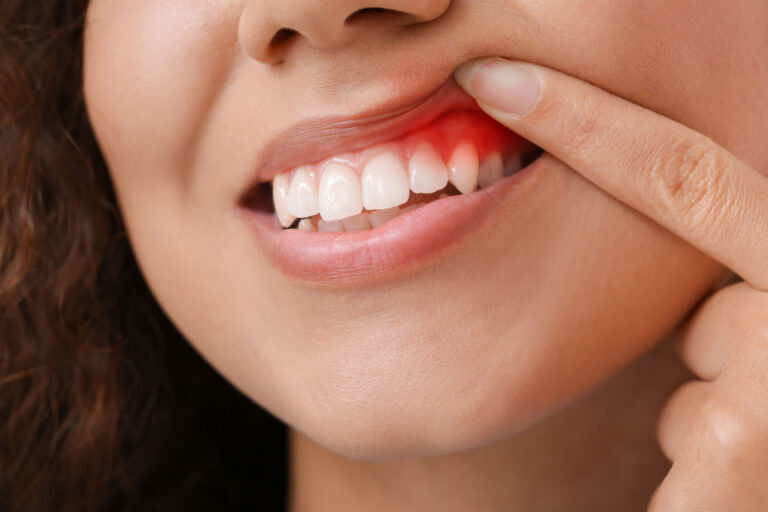
Gum disease is one of the most common oral health problems worldwide, yet it often goes unnoticed until it reaches an advanced stage. Unlike tooth decay, which may cause sudden pain, gum disease typically develops quietly. Many people assume their gums are healthy simply because they’re not experiencing discomfort—but this assumption can be costly.
Gum disease, also known as periodontal disease, starts subtly and progresses gradually. If left untreated, it can lead to gum recession, tooth loss, and even impact overall health. Understanding the hidden signs of gum disease is essential for early detection and prevention. Below are the warning signals you should never ignore, even if they seem minor.
1. Bleeding Gums Are Not Normal
One of the earliest and most overlooked signs of gum disease is bleeding during brushing or flossing. Many people believe this is normal or caused by brushing too hard, but healthy gums do not bleed easily.
Bleeding gums often indicate inflammation caused by plaque buildup along the gum line. This early stage of gum disease, called gingivitis, is reversible if treated promptly. Ignoring frequent bleeding allows the condition to worsen and progress into more serious forms of periodontal disease.
2. Persistent Bad Breath That Won’t Go Away
Occasional bad breath is common, but persistent bad breath—also known as chronic halitosis—can be a hidden sign of gum disease. When bacteria accumulate beneath the gum line, they release toxins and sulfur compounds that cause unpleasant odors.
If brushing, flossing, and mouthwash only provide temporary relief, the underlying issue may be infected gums. Gum disease creates pockets where bacteria thrive, making it difficult to eliminate odor without professional treatment.
3. Red, Swollen, or Tender Gums
Healthy gums should be firm and pale pink. If your gums appear red, swollen, or feel tender to the touch, it may be a sign of inflammation. This change often occurs gradually, making it easy to overlook.
Inflamed gums are typically a response to bacterial plaque irritating the gum tissue. While tenderness may not always be painful, it signals that your gums are under stress and need attention.
4. Gum Recession or Teeth Looking Longer
Gum recession is a subtle but serious sign of gum disease. As the gums pull away from the teeth, more of the tooth surface—and sometimes the root—becomes visible, making teeth appear longer.
Receding gums can lead to tooth sensitivity, especially to hot or cold foods and beverages. More importantly, exposed tooth roots are vulnerable to decay and damage. Gum recession is often painless in its early stages, which is why many people don’t notice it until significant damage has occurred.
5. Increased Tooth Sensitivity
Sudden or increasing tooth sensitivity can be a hidden indicator of gum disease. When gums recede or become inflamed, they expose sensitive areas of the teeth that are not protected by enamel.
If you experience discomfort when consuming hot, cold, sweet, or acidic foods, and there is no visible cavity, gum disease may be the underlying cause. Sensitivity should never be ignored, as it often points to deeper oral health issues.
6. Changes in the Way Your Teeth Fit Together
Another lesser-known sign of advanced gum disease is a change in your bite. If your teeth no longer align the way they used to, or if you feel discomfort when chewing, it may be due to weakening of the supporting structures around the teeth.
As gum disease progresses, it can damage the bone and ligaments that hold teeth in place. This can cause teeth to shift, loosen, or feel unstable—even without pain.
7. Pus Between Teeth and Gums
The presence of pus around the gums or between teeth is a serious warning sign of infection. It may appear as a white or yellow discharge and is often accompanied by swelling or a bad taste in the mouth.
Pus indicates that the body is fighting a bacterial infection, and immediate dental care is required. This symptom is commonly associated with advanced periodontal disease and should never be ignored.
8. Loose or Shifting Teeth
Loose teeth are not normal for adults and are a major indicator of advanced gum disease. As the disease destroys gum tissue and supporting bone, teeth lose their stability.
This symptom may develop slowly, so slight movement may go unnoticed at first. By the time teeth feel noticeably loose, significant damage may already be present, making early detection crucial.
9. Gum Pain or Discomfort (Even Mild)
While gum disease is often painless in its early stages, mild discomfort, soreness, or a dull ache in the gums can be an early warning sign. Some people experience sensitivity or pressure rather than sharp pain.
Any persistent gum discomfort, even if it feels minor, deserves attention. Pain is not always severe in oral health conditions, but it often signals that something is wrong beneath the surface.
10. A Family History of Gum Disease
While not a symptom, genetics can play a role in gum disease risk. If gum disease runs in your family, you may be more susceptible—even with good oral hygiene habits.
Being aware of this risk factor means you should be extra vigilant about early signs and maintain regular dental checkups. Genetics can influence how your body responds to plaque and bacteria, making early prevention especially important.
Why Early Detection Matters
The early stage of gum disease, gingivitis, is reversible with proper care and professional cleaning. However, once it progresses to periodontitis, the damage becomes permanent and can only be managed—not reversed.
Untreated gum disease has also been linked to systemic health issues, including heart disease, diabetes complications, and respiratory problems. This makes early detection not just a dental priority, but a whole-body health concern.
How to Protect Your Gums
Preventing gum disease starts with consistent oral hygiene:
Brush twice daily using proper technique
Floss at least once a day
Clean your tongue regularly
Use an antibacterial or fluoride mouthwash
Maintain a balanced, low-sugar diet
Schedule regular dental checkups
Paying attention to subtle changes in your gums can make a significant difference in long-term oral health.
Final Thoughts
Gum disease rarely announces itself loudly in the beginning. Instead, it whispers through small, easily ignored signs—bleeding gums, mild sensitivity, persistent bad breath, or subtle gum changes. Ignoring these signals allows the disease to progress silently, often leading to irreversible damage.
By staying informed and proactive, you can catch gum disease early and protect both your smile and your overall health. When it comes to your gums, it’s always better to act sooner rather than later.