

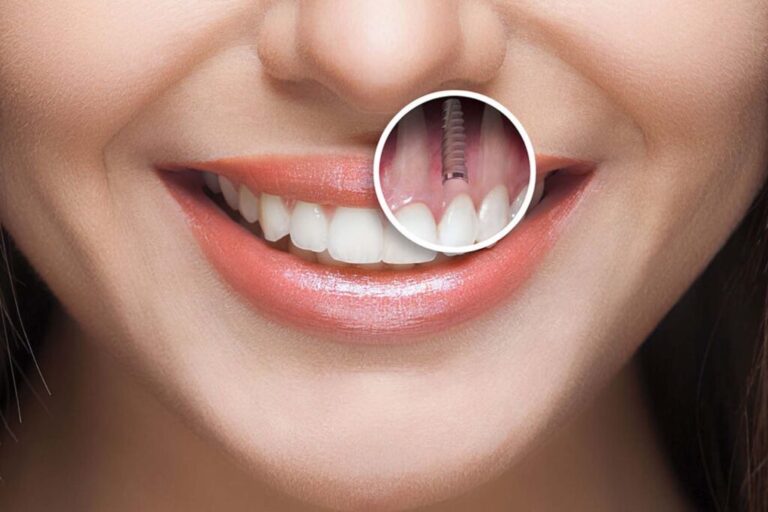
Losing a tooth can affect much more than just your smile. It can make eating difficult, change the way you speak, and even impact your confidence. Many people who lose teeth start looking for replacement options so they can restore their smile and oral health.
Traditionally, dentists used solutions like dentures or dental bridges to replace missing teeth. While these methods can still be helpful in some cases, dental implants have become one of the most recommended and reliable options today.
In this blog, we will walk you through what dental implants are and why many people choose them over traditional tooth replacement options.
What Are Dental Implants?
Dental implants are artificial tooth roots made from biocompatible materials, usually titanium. They are surgically placed into the jawbone where the missing tooth used to be. After healing, a crown (the visible tooth part) is attached to the implant.
The result looks, feels, and functions very much like a natural tooth.
Unlike dentures or bridges that sit on the gums or rely on neighboring teeth for support, implants become part of the jawbone. This is one of the main reasons they offer several advantages.
A Natural Look and Feel
One of the biggest benefits of dental implants is how natural they look and feel.
The crown placed on the implant is designed to match the color, shape, and size of your surrounding teeth. Because the implant is fixed into the jawbone, it feels stable when you talk, smile, or chew.
Patients often experiencethat after a while they forget they even have an implant because it feels just like a real tooth.
Dentures, on the other hand, not supported through implants can sometimes feel bulky or move slightly while eating or speaking. This can make some people feel self-conscious.
Strong and Long-Lasting Solution
Dental implants are known for their durability as they provide better masticatory force.
With proper care and regular dental check-ups, implants can last many years, often decades. In many cases, they can even last a lifetime.However the longevity of the treatment also depends on how well one has maintained follow ups and overall health of individuals.
Traditional options like bridges or removabledentures may need to be replaced after several years due to wear or changes in the mouth.
This long lifespan makes implants a reliable treatment for your oral health.
Helps Protect the Jawbone
One of the lesser-known problems after tooth loss is bone loss in the jaw.
When a tooth is missing, the jawbone in that area no longer receives stimulation from chewing. Over time, the bone can start to shrink or weaken.
Dental implants help prevent this problem because they act like natural tooth roots. When you chew, the implant transfers pressure to the jawbone, keeping it active and healthy.
Removable Dentures do not provide this stimulation, so they cannot stop bone loss in the same way.
No Damage to Adjacent Teeth
Traditional dental bridges rely on adjacent teeth for support. To place a fixed tooth supported bridge, dentists often need to reshape or file down the healthy teeth next to the gap.
This can weaken otherwise healthy teeth.
Dental implants do not require support from neighboring teeth. They stand independently in the jawbone.
This means your surrounding teeth remain untouched and healthy, in most cases, which is always a priority in modern dentistry. However the final decisions for correction are done after evaluation of existing dentition.
Improved Chewing Ability
Dental implants are firmly anchored in the jawbone, they allow you to bite and chew with strength similar to natural teeth. However dental implant allows ones to chew food properly. One must take precautions as prescribed as the natural teeth have proprioception around the teeth due to periodontal ligament around it and implantshas osseoperception.
Dentures sometimes move or slip while eating, which can limit the types of food people feel comfortable eating.
Many implant patients say they enjoy food much more after treatment because they can eat normally again.
Better Speech
Teeth play an important role in how we pronounce certain words.
Loose dentures can sometimes shift while speaking, which may cause slurred speech or clicking sounds.
Dental implants stay securely in place, helping maintain clear and natural speech. Patients often feel more confident in social situations because they don’t have to worry about their teeth being unstable while talking.
Easy to Maintain
Taking care of dental implants is very similar to caring for natural teeth.
You simply need to:
- Brush twice a day
- Floss daily
- Visit your dentist regularly for check-ups and cleaning
Improved Confidence and Quality of Life
Dental implants restore the appearance of a full smile. Because they look natural and feel secure, patients often feel more confident in their daily lives.
Stable and Comfortable
Dentures can sometimes cause sore spots on the gums or require adjustments as the mouth changes over time.
Dental implants are designed to integrate with the jawbone, creating a stable foundation. Once healing is complete, most patients find them very comfortable.
There is no slipping, rubbing, or pressure on the gums like some denture wearers experience.
A Modern and Predictable Treatment
Dental implant technology has improved greatly over the years.
Today, the procedure is safe, highly predictable, and commonly performed around the world. With proper planning and professional care, the success rate of dental implants is very high.
Modern imaging and planning tools also help dentists place implants with great accuracy, improving both comfort and long-term results.
Are Dental Implants Right for Everyone?
While dental implants offer many benefits, they may not be suitable for every patient.
Good candidates usually have:
- Healthy gums
- Enough jawbone to support the implant
- Good overall health
Even if bone loss has occurred, procedures such as bone grafting can sometimes make implants possible.
The best way to determine if implants are right for you is to schedule a consultation with a qualified dentist.
Key Takeaway
Tooth loss can impact your health, confidence, and daily life. Fortunately, modern dentistry offers several ways to replace missing teeth.
While traditional options like dentures and bridges still serve a purpose, dental implants provide a long-term, stable, and natural-looking solution for many patients with missing teeth.
From protecting the jawbone to improving comfort and chewing ability, implants offer benefits that go beyond just replacing a missing tooth.
If you are considering tooth replacement, speaking with your dentist about dental implants could be an important step toward restoring both your smile and your oral health.
A healthy smile is not just about appearance it’s an important part of overall well-being.